Beginnings
Ada Lovelace was raised between the shadow of a famous poet and her mother's determination that mathematics would provide discipline. She refused the simple division between reason and imagination.
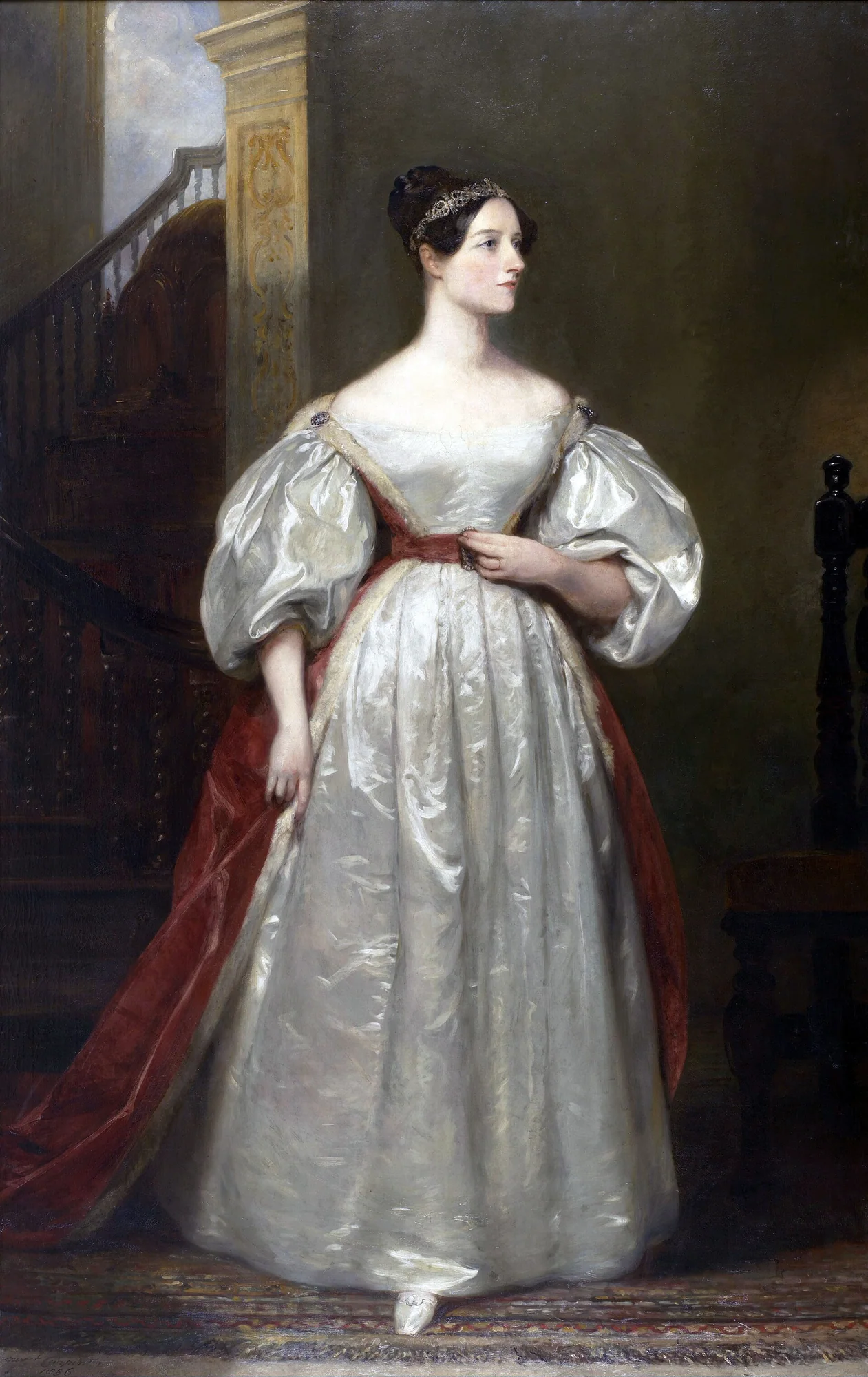
The search
When she met Charles Babbage, she recognized that his proposed machines were more than mechanical calculators. They suggested a new relationship between symbols, rules and human intention.
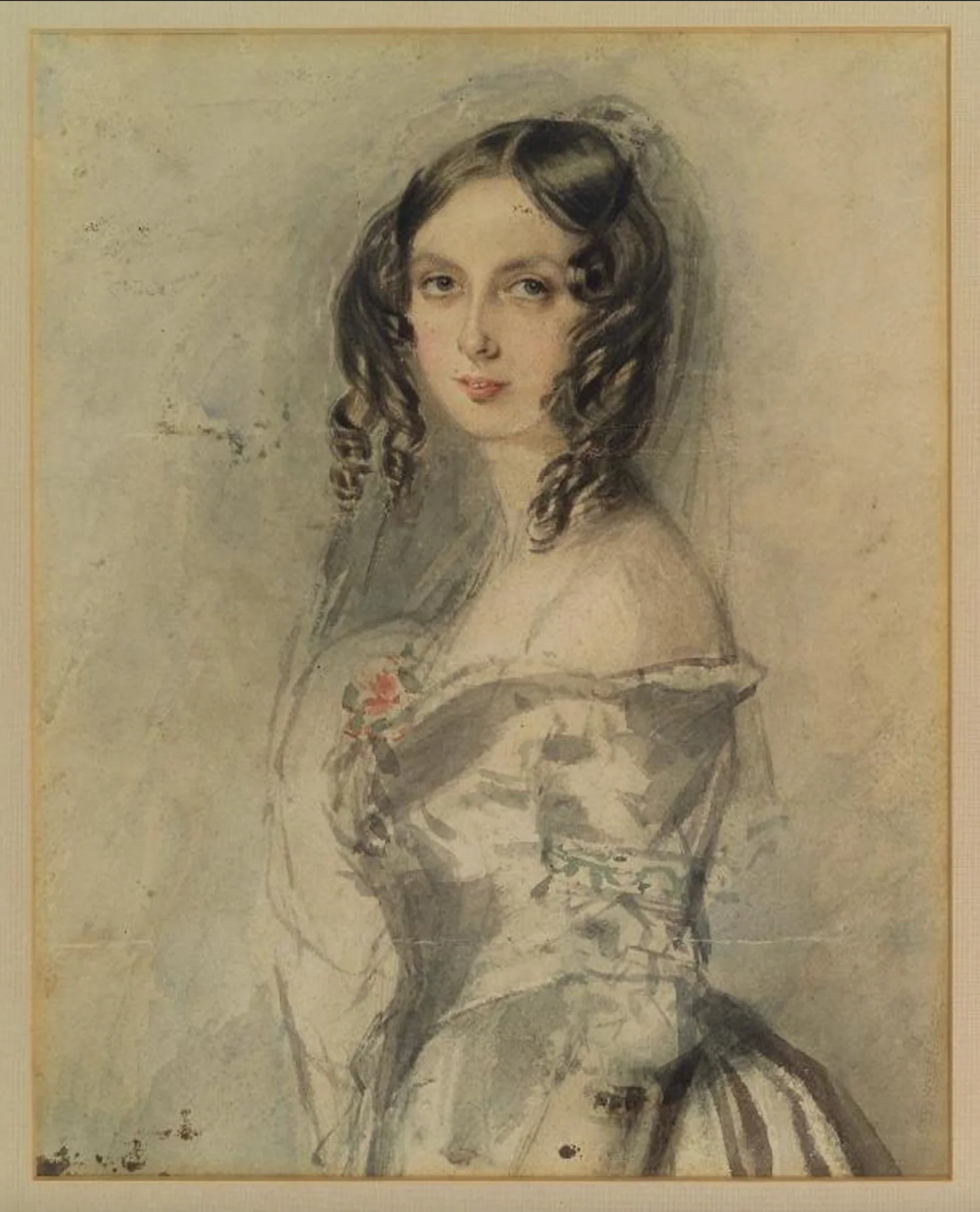
A turning point
Her translation of an article on the Analytical Engine grew into extensive notes. One included a method for calculating Bernoulli numbers, often described as the first published computer program.
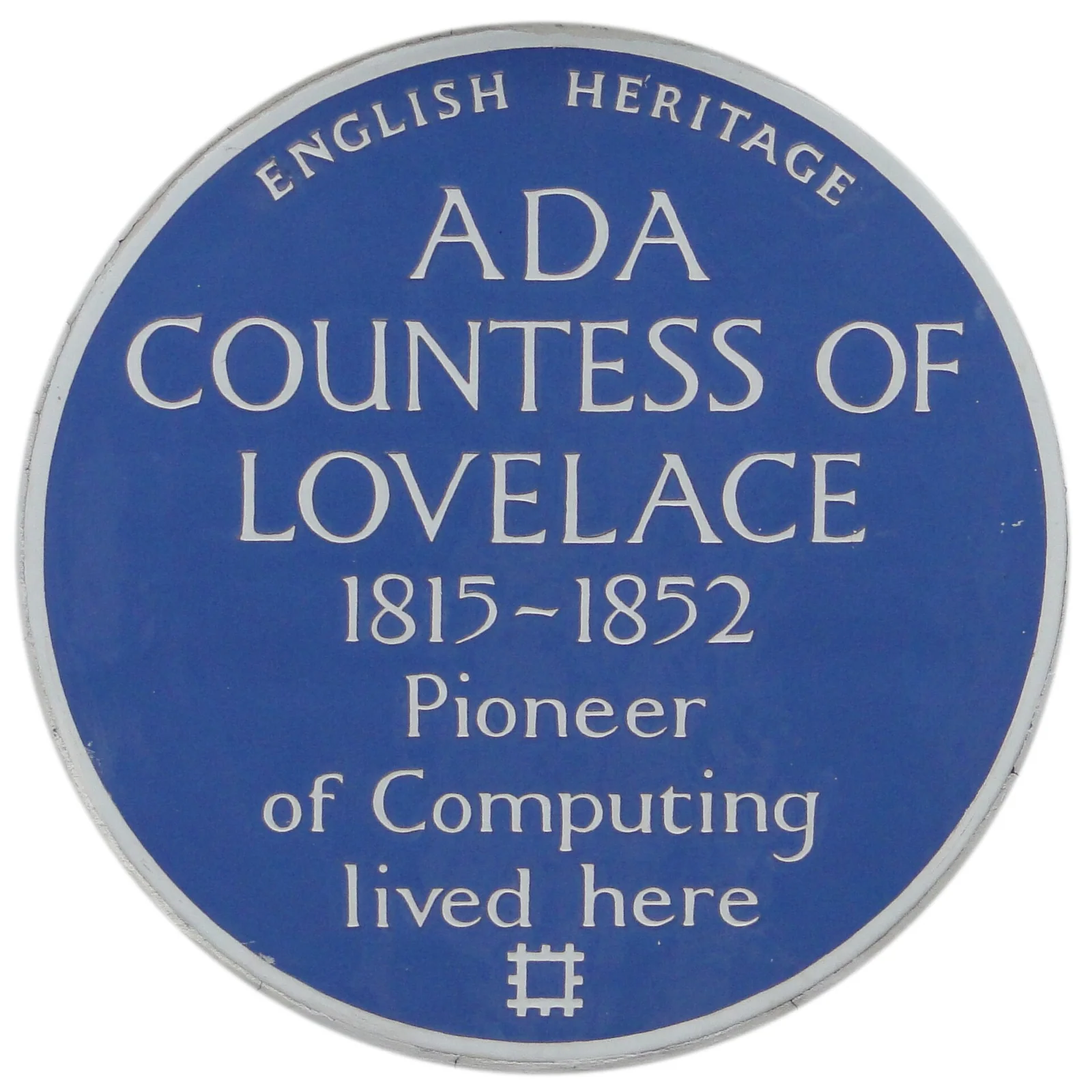
What remained
More important than priority was vision. Lovelace imagined machines acting on music and language whenever those things could be represented symbolically.
Afterlife
She died at thirty-six. The machine was never completed in her lifetime, yet her 'poetical science' still describes the creative leap required to see a technology before the world around it is ready.