Starting Point
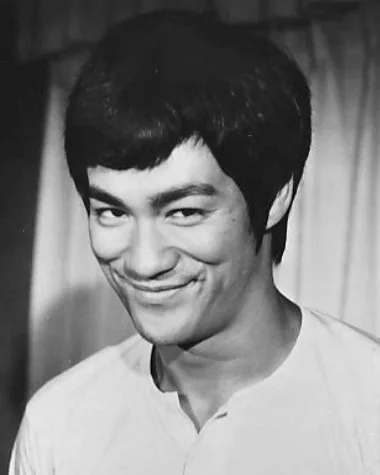
In 1940, Lee Jun-fan was born in San Francisco, while his father Lee Hoi-chuen was touring the United States with a Cantonese opera troupe. After returning to Hong Kong as an infant, he grew up between film sets, schools, and crowded streets. His father brought him into film, and the young Bruce Lee had already appeared in multiple works; dance, performance, and street conflicts made the body his first language for understanding the world. He studied Wing Chun and was also exposed to boxing and fencing. His early training was not the complete answer to his later legend, but a set of materials he continually took apart and reassembled.
Searching
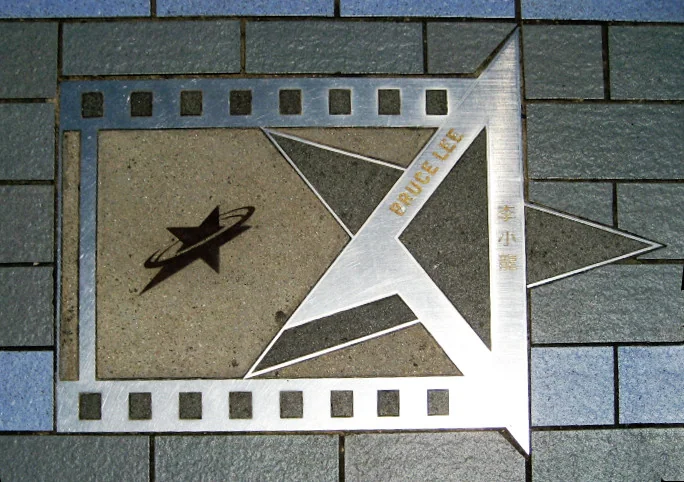
In 1959, the eighteen-year-old Bruce Lee left Hong Kong for the United States, first living and studying in Seattle, where he began teaching Chinese martial arts. His classes attracted students of different ethnicities, which was not taken for granted at the time. He later expanded his teaching in Oakland and Los Angeles, testing skills with practitioners of different systems. Repeated real combat experience made him increasingly dissatisfied with forms and sectarian labels: whether a movement was effective and whether the body was free mattered more than preserving formal purity. Martial arts here also became a way of exchange across identity boundaries.
Turning Point
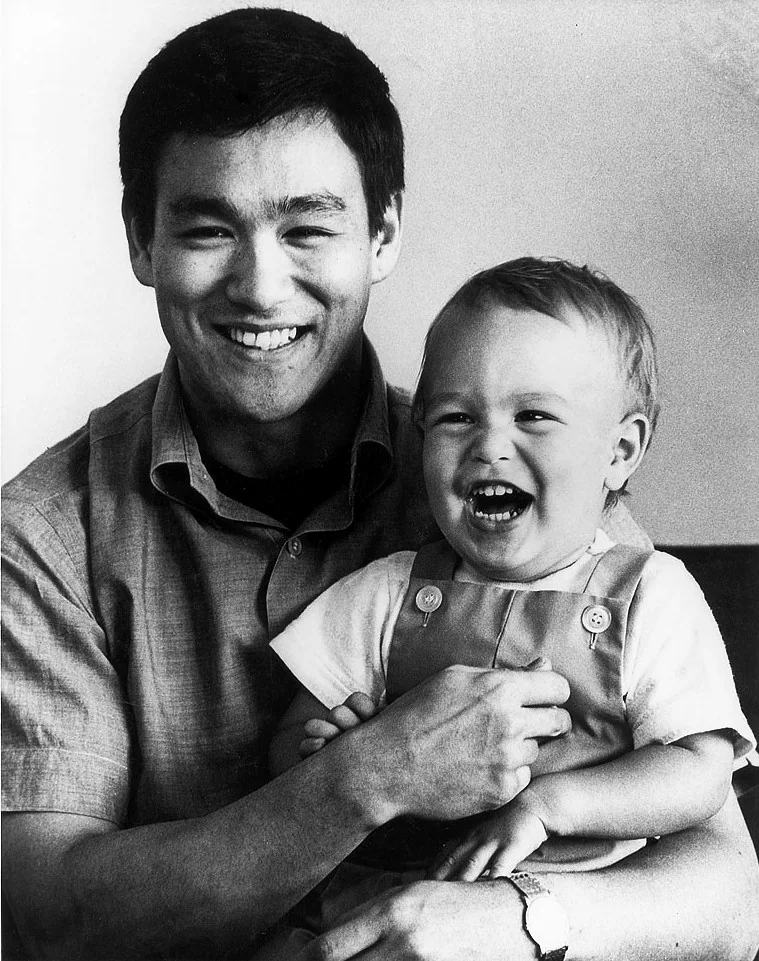
The 1964 Long Beach International Karate Championships brought him to the attention of more people in the American martial arts world. In 1966, he played Kato in the television series The Green Hornet, and his agile yet restrained screen presence drew attention, but Hollywood was still rarely willing to put an Asian actor at the center of a story. At the same time, he gradually summarized his training thought as Jeet Kune Do. It was not a closed set of techniques, but a method of absorbing what is useful, discarding what restricts, and honestly expressing oneself. "Be like water" is also not a weak rhetorical flourish: water adapts to its container, and it also changes obstacles through sustained force.
Left to the World
The American film and television industry offered limited roles, while Hong Kong was forming new commercial film energy. In 1971, The Big Boss was released, followed by Fist of Fury and The Way of the Dragon, which brought his speed, rhythm, and personal charisma to audiences in Asia and overseas. He not only designed action but also cared about how the camera made force visible. Enter the Dragon further connected Eastern and Western production systems. What Bruce Lee broke was not only box-office records; on a screen long shaped by stereotypes, he made Chinese men appear for the first time as intelligent, autonomous subjects who could not be taken lightly.
Afterecho
On July 20, 1973, Bruce Lee died suddenly in Hong Kong at the age of thirty-two. Enter the Dragon was released after his death, and unfinished works along with a large number of notes and interviews entered public memory. Later imitation, mythmaking, and commercial packaging sometimes obscured the real person: he also suffered injuries, anxiety, and repeatedly revised his judgments. The truly lasting influence came from that practice of refusing to be fixed—keeping body, thought, and identity fluid, and seeking an honest form of one's own between tradition and innovation.