Beginnings
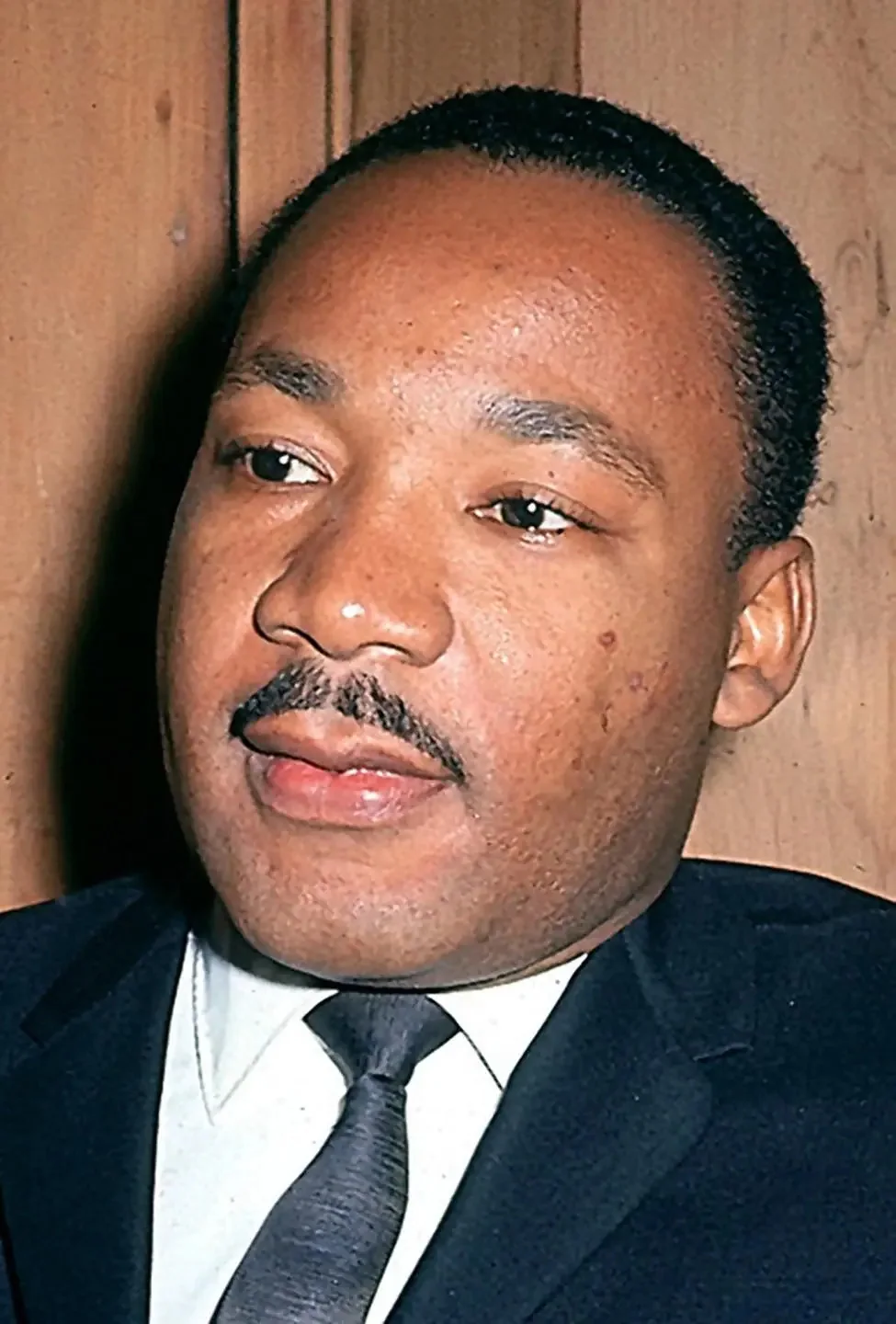
Martin Luther King Jr. inherited the pulpit and the disciplined language of the Black church. He also inherited a country structured by racial violence.
The search
The Montgomery bus boycott brought him into national view, but its power came from thousands of residents who walked, organized and endured intimidation.
A turning point
King joined Christian theology, democratic ideals and Gandhian nonviolence into an urgent public voice. Marches and campaigns forced hidden injustice onto television screens and legislative agendas.
What remained
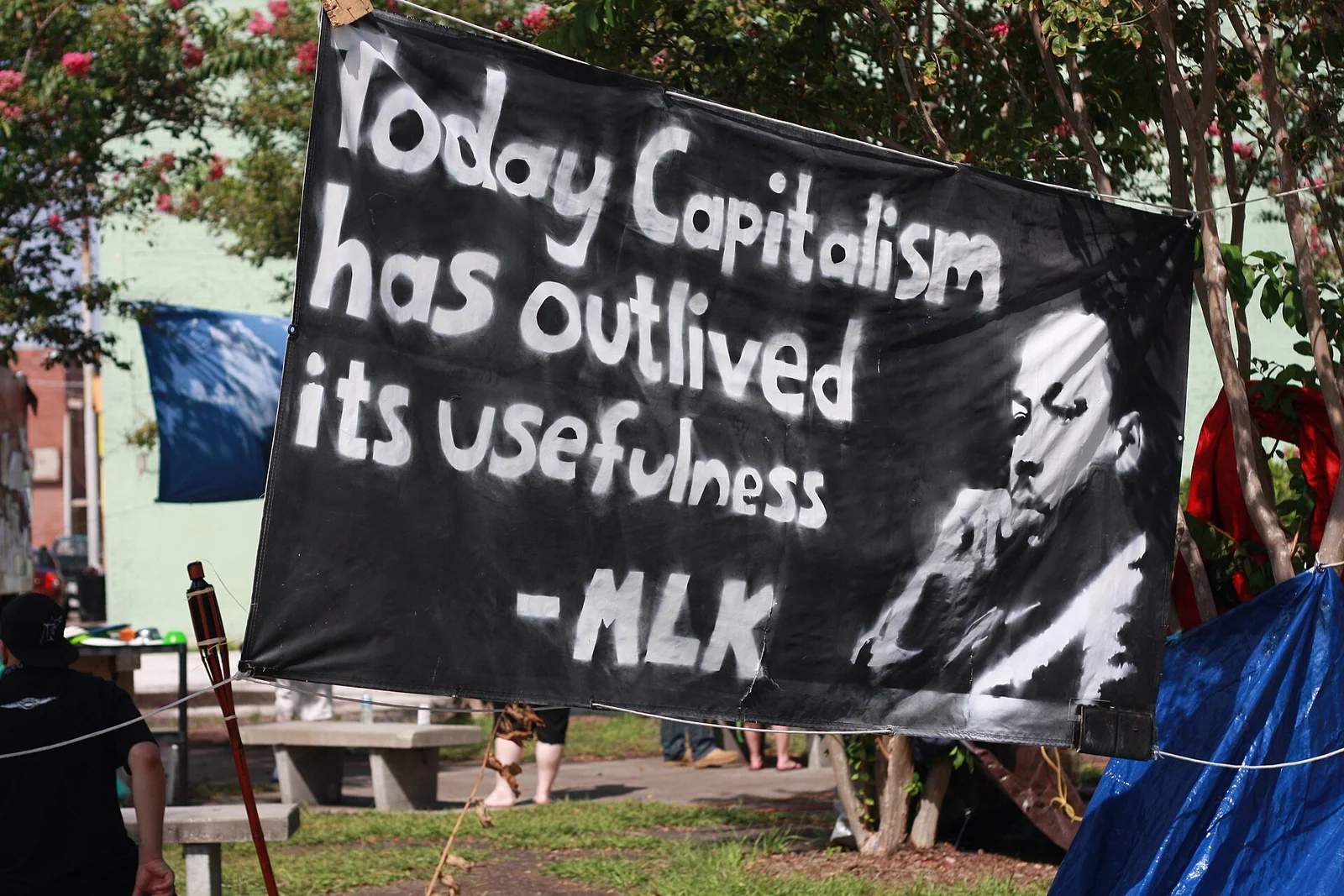
In his final years he spoke more directly about poverty, labor and war. Popular memory often softens this radical widening of his argument.
Afterlife
He was killed in Memphis at thirty-nine. The dream remains moving precisely because it was not completed; it asks each generation whether eloquent remembrance will become material change.