Beginnings
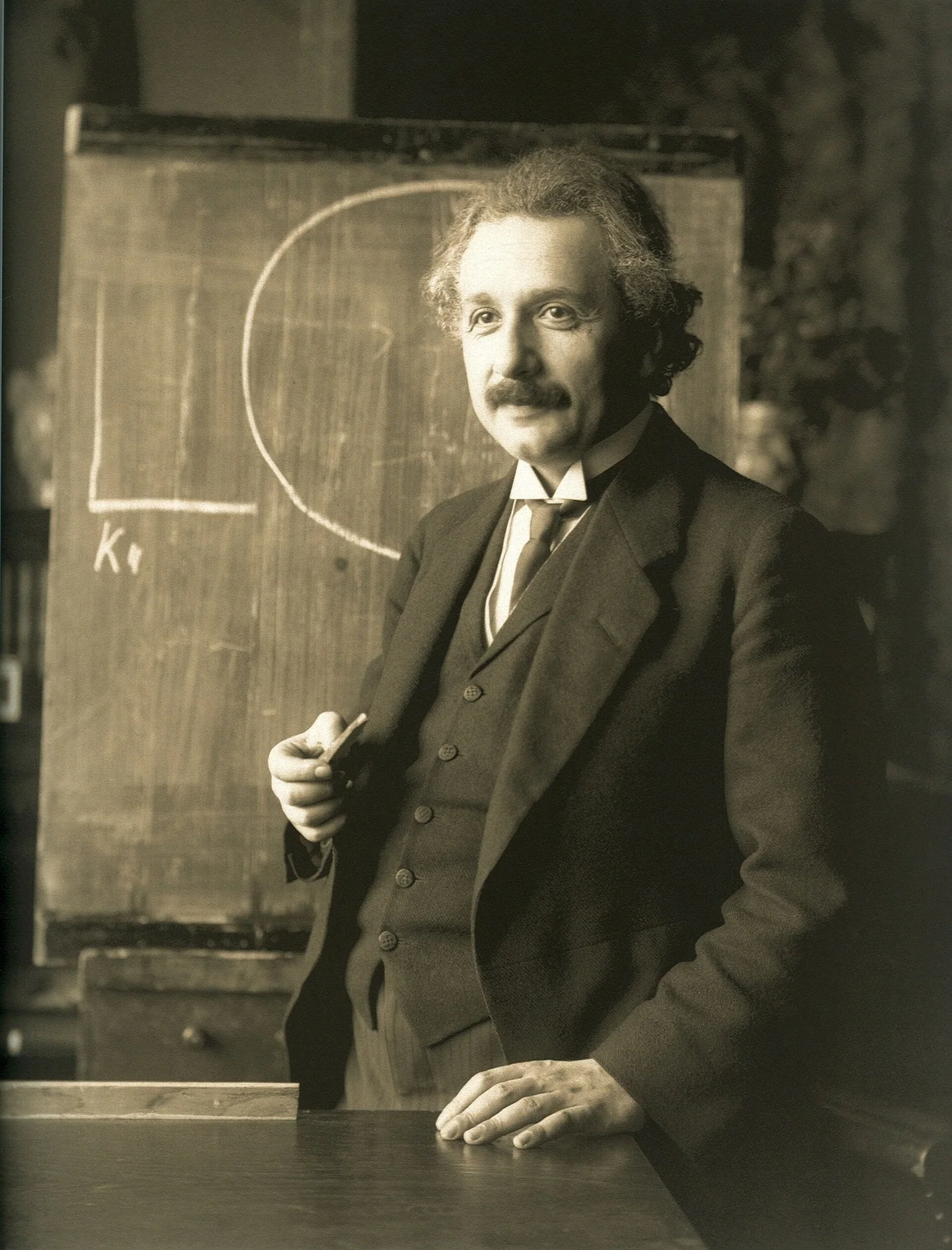
Einstein's early life did not follow the polished path later legends invented. He disliked rigid authority, loved music, and kept returning to simple questions that opened onto deep problems.
The search
While working at the Swiss patent office, he used trains, clocks and beams of light as tools of imagination. In 1905, those thought experiments became papers on atoms, light and relativity.
A turning point
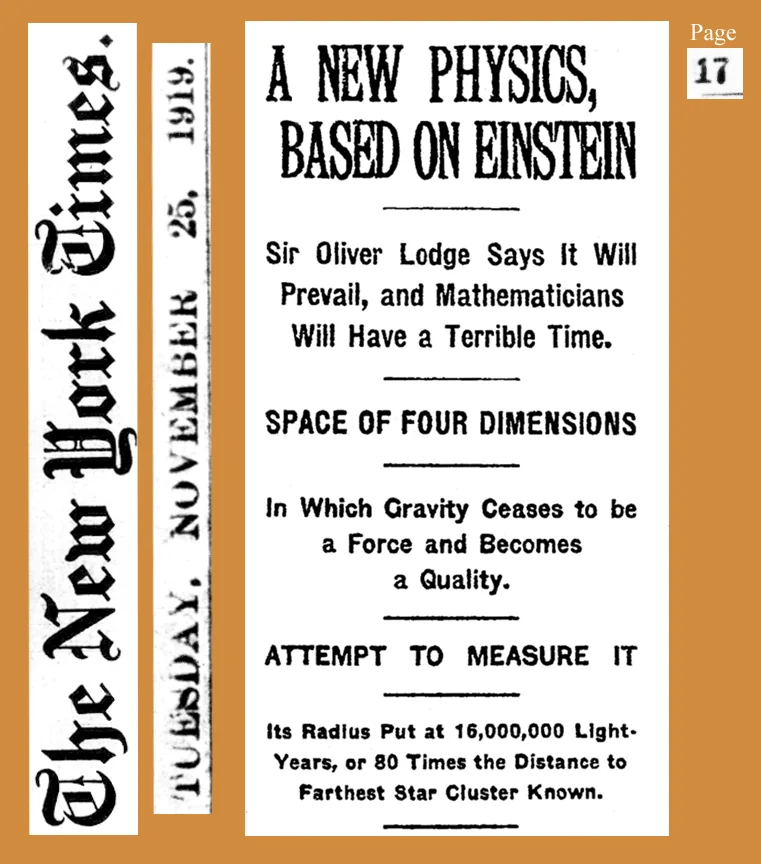
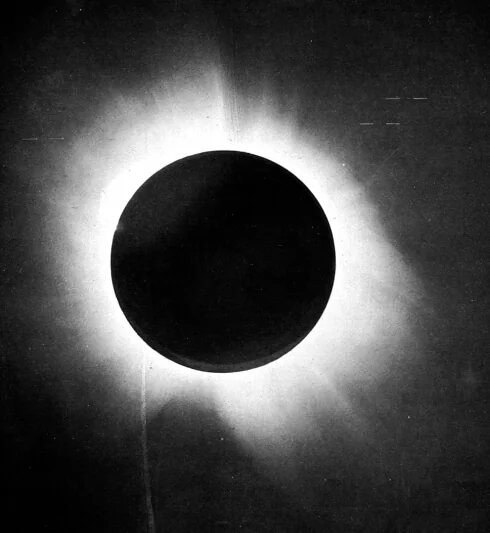
General relativity described gravity not as an invisible pull but as the geometry of spacetime. An eclipse helped carry the theory, and Einstein's face, into public life.
What remained
As fascism rose, Einstein left Germany and settled in Princeton. He spoke against racism and nationalism, while wrestling publicly with the political consequences of modern physics.
Afterlife
He died in 1955, declining extraordinary medical intervention. The enduring image is not the icon with wild hair, but the thinker who treated wonder as a disciplined practice.